

*This post may contain affiliate links for which I earn commissions.*
If you have spent twenty or thirty years in a corporate role, the idea of becoming a solo online creator can feel both exciting and somehow, deeply unsettling.
On one hand, you are tired of meetings for things that could have been handled through simple emails. You are especially tired of office politics (I certainly was), endless approvals, and goals that shift every quarter.
On the other hand, a steady paycheck, a team around you, and a clear job title provide comfort. Walking away from that structure can feel like stepping off solid ground. A bit like bungee jumping without the flexible cord!
I made that shift from corporate manager to solo creator years ago.
In this post, I want to share honestly what I miss, what I do not miss at all, and what I learned along the way.
If you are considering building a small online business in midlife, I hope this gives you some perspective, some reassurance (hopefully), and a practical way to think about your own transition.
What I Miss About Corporate Life
Are there things I miss about corporate life??
Here’s the honest-to-God truth – definitely YES. Let’s look at some of that stuff.
The Built-In Structure
In your corporate job, your calendar is mostly set for you. There are quarterly targets, annual reviews, weekly meetings, and clear deadlines. You rarely wake up wondering what you should work on.
Your situation as a solo entrepreneur is vastly different. To paraphrase Peter Drucker (I think he said something similar), the entrepreneur must first discover WHAT his business & goals should be and then also figure out how he needs to reach them.
And there is no easy, one-size-fits-all roadmap.
As a solopreneur, you are the strategy team, the marketing team, and the operations team. No one assigns you tasks. That freedom can freak you out at first.
If you are used to managing teams and hitting defined KPIs, the open-ended nature of building a blog, affiliate site, or digital product can feel vague.
I discovered the hard way that with solo work, you must create your own structure. Without it, you will drift. I did. And it was frustrating as hell.
The Team Environment
I miss good colleagues. I miss the energy of brainstorming sessions when everyone is sharp and engaged. I miss walking down the hall to solve a problem in five minutes instead of typing it into a search bar.
As a solo creator, most decisions are made alone. You do not have instant feedback. That can slow you down, especially in the early months.
The solution?
It’s not to recreate a full corporate environment. Instead, you build lighter forms of support. Like online communities, small mastermind groups, or even one accountability partner can make a big difference.
Predictable Income
This is the BIG one.
A salary hits your bank account on schedule. You can plan around it. When you step into affiliate marketing or digital products, income is ZERO at first.
In my case, after 4 months of effort, I made a princely $2.45 in affiliate commission.
Progress is uneven, to put it mildly. Early on, some months are quiet (= close to zero revenues!) And some are magical.
That unpredictability requires a mindset shift. You stop trading hours for money. You start building assets. But it takes time.
If you are in your 40s or 50s, you probably have financial responsibilities. That is why I recommend building your online business ALONGSIDE your job at first. Give yourself breathing room.
Do NOT make the mistake of quitting your job to start an online business (unless you are very financially secure already).
This isn’t financial advice, by the way. Nothing on this site is. I’m not a qualified advisor or lawyer or CPA or anything else, so if you act on my ramblings, you do so at your own risk. Ok, enough of lawyer-speak.
What I Do Not Miss – At All!
Now for the other side. NOT having to endure the following is part of the joy of solopreneurship. . .
Endless Meetings and Politics
There is a peculiar exhaustion that comes from sitting in meetings where decisions are delayed or diluted. I’ve always been befuddled about why large corporates insist on having so many of them.
As a solo creator, if I want to test a new idea, I can publish a blog post tomorrow and send traffic to it. If I want to create a small digital guide, I can outline it this week and release it fairly quickly and test market response.
There is no chain of approvals. No turf wars. No performance theater.
That speed is energizing.
Limited Control Over Direction
In corporate life, even as a mid or senior level manager, you operate within someone else’s strategy. Your ideas must align with executive priorities.
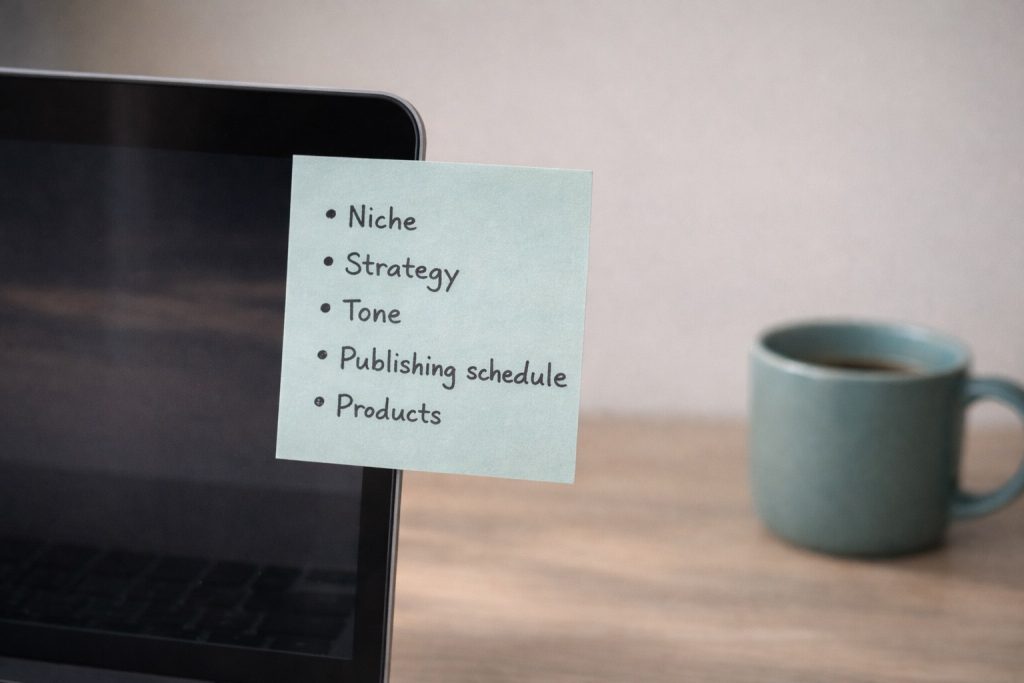
As a solo creator, you choose your niche, your strategy, your tone, and your products, your traffic sources – everything. You can pivot without waiting for permission.
If you care about helping midlife professionals start practical online businesses, you can build everything around that mission. That autonomy is deeply satisfying.
Artificial Urgency
Corporate deadlines often feel urgent because of internal pressure, not because customers are waiting.
In my solo business, urgency is more real. It is tied to serving readers, sending valuable emails, or improving a product that people actually buy and use.
That shift from internal politics to external value changes how work feels. (It feels great, btw!)
The Hardest Adjustments in the First Year
If you are considering this path, here are the three toughest adjustments I experienced.
1. Learning Modern Tools
In corporate environments, tools are selected for you. IT sets things up. Training may be provided.
As a solo creator, you must choose your own stack.
The good news is that you do not need a complicated setup.
A simple combination works well:
- WordPress for your website
- A reliable hosting provider
- An email tool like MailerLite or Kit
- Canva for basic visuals
- Google Docs for writing
You do not need advanced automation in year one. You need clarity and consistency.
If you are not technical, start with tools that are beginner friendly and widely supported. There are countless tutorials available.
2. Owning Your Identity
In corporate life, your title carries weight. Senior Manager. Director. VP.
When you become a solo creator, there is no title unless you invent one. At first, it can feel small. You might wonder how to introduce yourself (I still do).
Eventually, you realize something important. Your value is not in a title. It is in the problems you solve.
If you help people understand gardening without hype, that is real value. If you create a simple guide that helps someone launch their first email list, that matters.
Your identity shifts from being role-based to impact-based.
3. Managing Your Own Motivation
No one checks whether you wrote that blog post. No one schedules your performance review.
In the beginning, that freedom can lead to procrastination.
I learned to set small, non-negotiable goals. For example:
- Publish one article per week
- Send one email newsletter per week
- Spend two focused hours on product development every Saturday
Consistency compounds. Motivation follows action, not the other way around.
A Simple Transition Framework for Midlife Professionals
If you are thinking about moving from corporate manager to solo creator, here is a practical approach.
Step 1: Start Before You Quit
Build your blog or email list while still employed.
Treat it like a structured side project. Set weekly targets. Protect two to five hours per week.
This reduces financial stress and gives you real data before making big decisions.
Step 2: Focus on One Business Model
Do not try to be on every platform.
Pick one:
- Affiliate marketing through blog content
- A small digital product tied to your expertise
- A niche newsletter with curated insights
Master one path before expanding.
Step 3: Keep Your Costs Lean
You do not need a large investment.
A domain, hosting, and a free email plan are enough to begin. Keep expenses under control in year one. Upgrade only when growth demands it.
This reduces pressure and keeps your focus on skill building.
Step 4: Redefine Success
In corporate life, success is tied to promotions and salary bands.
As a solo creator, early success looks different:
- Your first subscriber
- Your first affiliate commission
- Your first genuine thank you email from a reader
These milestones may seem small, but they signal traction.
Choose tools that support publishing and communication. Avoid tools that promise shortcuts.
I realized eventually that moving from corporate manager to solo creator is not about escaping work. It is about choosing the kind of work you want to do. And that’s awesome.
I miss the structure, the team energy, and the predictability of a salary. I do not miss the politics, the artificial urgency, or the limits on creativity.
For midlife professionals, this transition is less about reinvention and more about redirection. You already have experience, discipline, and perspective. Those are powerful assets online.
You only have to redirect them into this new endeavor, this new channel for your efforts.
Start small. Keep your setup lean. Build quietly and consistently.
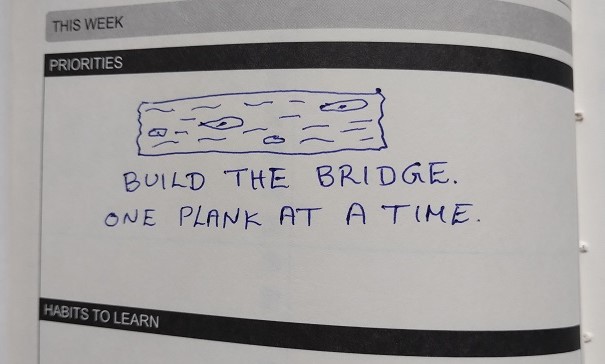
You do not need to leap off a cliff. It’s better by far to build a bridge, one plank at a time. And less nerve-wracking too.
Want More?
Join the Smart Solo Start email list for practical, no-hype insights, useful tools and more on building your business. Delivered several times a week.